Holidays can be expensive, and for many of us, this begins at the airport. Despite the benefits of duty-free shopping, airports are famous for markup prices and hidden fees on food, drink and other goods, so travellers often feel squeezed before they even leave British soil.
However, as a team of airport insiders and frequent flyers, we’ve picked up a few tricks of the trade over the years, and we’ve put together a guide to help you save money at the airport.
“In the UK, any licensed premises (one serving alcohol) is obliged to provide free tap water upon request. If you can’t find one of the many water fountains scattered around, you should be able to get a glass from one of the restaurants and decant it into your container.”
Check out our guide below and get your holiday off to the best start.
In this article…
- Make Use of Water Fountains
- Skip the Airport Currency Exchange Kiosks
- Taking the Train to the Airport
- You Can Bring Food Through Security
- Pre-book Airport Car Parking
- Avoid Paying for Overpriced Airport Toiletries
- Airport Drop Off & Getting a Lift
- Watch Out for Excess Baggage Charges
- Avoid Expensive Charging Stations
- Always Bring Your Boarding Pass
1) Make Use of Water Fountains, Or the Airport Bar
As you’re probably aware, you’re unable to bring liquids over 100ml through security, and that includes bottles of water, regardless of whether they’re sealed or open.
As a result, many people think they must pay for a bottle of water once they’ve gone through security, but with prices sometimes north of £3.50 a bottle, this really adds up if you’ve got the family in tow.
Which Airports Have Free Water Available?
This initiative is ongoing, and although great progress has been made across the UK, not every airport has a free water fountain, so we looked around the official sites of each airport to check availability.
| Airport | IATA Code | Water Fountain / Refill Station Locations |
|---|---|---|
| Heathrow Airport | LHR | Over 100 fountains across all terminals, typically near toilet areas |
| Gatwick Airport | LGW | Free water fountains just after security in both North and South terminals |
| Manchester Airport | MAN | After security in all three terminals additional fountains in main shopping areas |
| Stansted Airport | STN | International Departure Lounge, Passport Control, Baggage Reclaim, near Gates 1–19 and 40–59 |
| Birmingham Airport | BHX | Before security near Assisted Travel Area; after security behind Bottega Prosecco Bar & Café; International Pier (Gates 47 & 52); Pier Bussing lounge; North Baggage Reclaim |
| Bristol Airport | BRS | Near WHSmith in Arrivals; opposite World Duty Free exit; next to SOHO Coffee en route to Gates 7–16; Arrivals area (six refill stations total) |
| Edinburgh Airport | EDI | Two fountains just after the World Duty Free store |
| Glasgow Airport | GLA | Just after duty-free, next to the Travelex store |
| London Luton Airport | LTN | After security, next to the elevators |
| Liverpool John Lennon Airport | LPL | At Gates 2 and 30 |
| Cardiff Airport | CWL | Arrival baggage hall; departure lounge (three fountains total) |
In the UK, any licensed premises (one serving alcohol) is obliged to provide free tap water upon request. If you can’t find one of the many water fountains scattered around, you should be able to get a glass from one of the restaurants and decant it into your container.
2) Taking the Train to the Airport
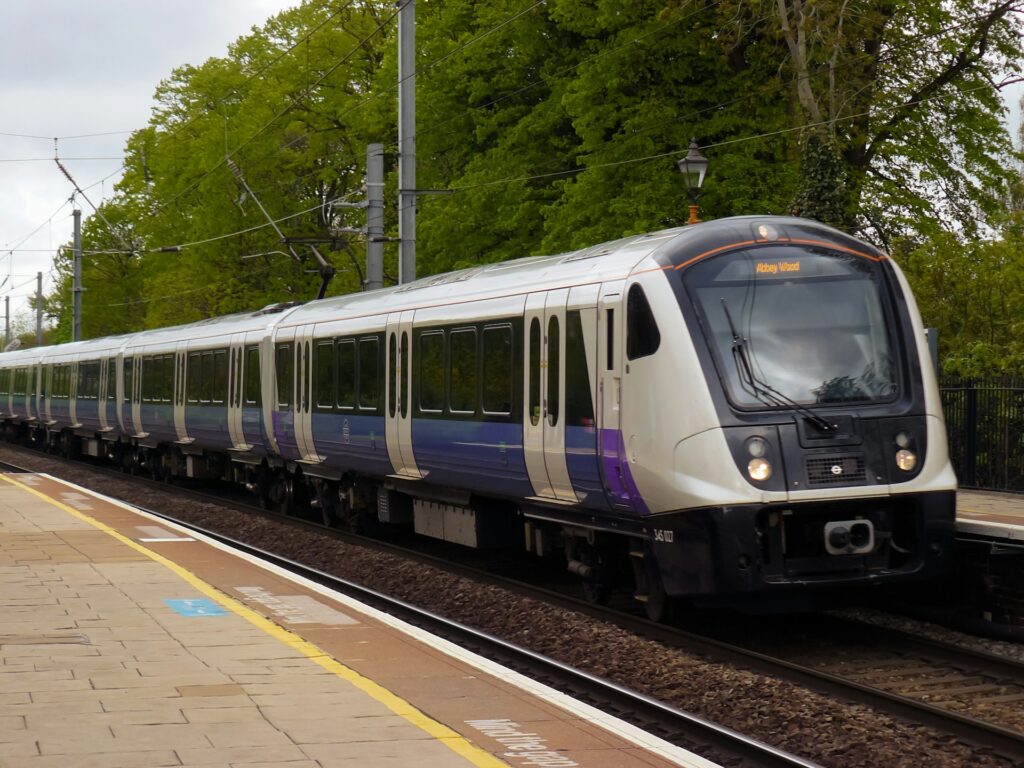
If you’re planning to take the train last-minute, you’ll probably pay a heftier fare, especially at a London airport. Depending on how far you’re travelling and how far in advance you book your tickets, the cost of the train could even exceed the cost of your flight!
Planning ahead can help you keep the cost down, as well as exploring a range of routes and providers. Use comparison sites and apps such as Trainline to find the best fare for your trip.
Don’t let the train be the only mode of transport that you look at, however, as airport parking can often work out cheapest, which brings us on to the next point.
3) Pre-book Airport Car Parking
As rail and taxi fares continue to climb, more and more Brits are deciding to drive to the airport and use one of the nearby car parks. When done right, this can be a cheat code, but it’s important to go with a reputable provider.
Some airports have high fees if you turn up on the day, in some cases, upwards of £50 for a single day. Using a well-connected provider such as SkyParkSecure takes the trouble out of your hands, gives you transparent pricing, and allows you to plan in advance to guarantee you get the best deal.
Our dedicated booking tool makes this really easy.
- Visit https://www.skyparksecure.com
- Add your airport and travel dates
- Click ‘Search Prices’
We’ll find the best options, so you can save up to 70%, without the stress. For popular airports, check out our dedicated pages for Manchester, Stansted, or Luton parking.
4) Airport Drop Off & Getting a Lift
Asking a friend or a loved one to drive you to and from the airport is a time-tested tradition, but they may not take too kindly to it, especially if your flight is early in the morning.
Finding a space to stop among the taxis and traffic is a timed trial. If it takes too long, your friend will be saddled with the short-stay fee, which is a lot higher than the drop-off charge in most cases.
At some airports, you may find that drop-off is an option, but you can’t be picked up when you get back. It’s not a great situation if you’re relying on a lift!
We’ve researched the ten most popular airports in the UK and compiled our findings into a comparison table. Take note of each place, their drop off charge, time limit, and pick up rules. This information is correct as of May 2025, but be sure to check your departure airport’s rules before you call in that favour.
Airport Drop Off Price Comparison
| Airport | Drop Off Price | Drop Off Time Limit | Pick Up Allowed? |
|---|---|---|---|
| Manchester (MAN) | £5 | 5 minutes | No |
| Bristol (BRS) | £7 | 10 minutes | No |
| Stansted (STN) | £7 | 15 minutes | No |
| Heathrow (LHR) | £6 | N/A | No |
| London Luton (LTN) | £5 | 5 minutes | No |
| Gatwick (LGW) | £6 | 10 minutes | No |
| Edinburgh (EDI) | £6 | 10 minutes | Yes |
| Birmingham (BHX) | Free | 10 minutes | No |
| Glasgow (GLA) | £5.50 | 15 minutes | Yes |
| Belfast Int. (BFS) | £3 | 10 minutes | No |
5) Avoid Expensive Charging Stations
Some UK airports charge for access to power outlets or offer paid charging lockers. Even when free outlets are available, and they’re in high demand, and using premium charging services can cost £2-£5 per session.
Bring your own fully charged power bank to avoid these fees and stay connected without needing to rely on costly airport facilities.
6) Skip the Airport Currency Exchange Kiosks
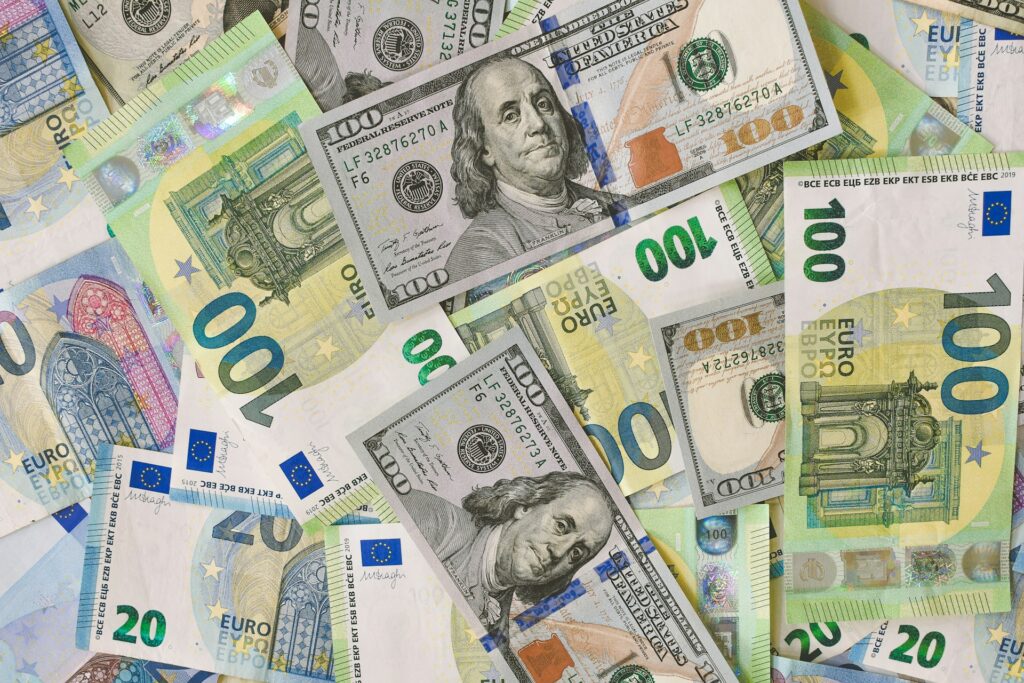
Airport bureau de change counters often have some of the worst exchange rates around, sometimes adding hidden fees or offering rates up to 10% worse than what you’d get online or on the high street.
For popular currencies like the Euro, order in advance online for a better rate, or use a fee-free travel card like Wise, Revolut, or Monzo for spending abroad.
For rarer kinds such as the Czech Koruna, it’s often better value for money to visit an exchange at your destination, as UK exchange services will use additional markups on uncommon currencies. Make sure to use a reputable bureau, one recommended online or listed in trusted travel guides to avoid tourist traps.
Get more info on finding today’s cheapest currency deals with SkyParkSecure.
7) You Can Bring Food Through Security
Many airside retailers will mark up their prices at the airport, some up to 50%, or even doubling up in some cases. If there’s room in your carry-on luggage, you can bring some food with you before your flight, so long as you follow the rules around liquids.
Solid foods are generally allowed in your hand luggage. This includes sandwiches, cakes and biscuits, fruit and vegetables, and packaged snacks like crisps and sweets. These items are allowed through security and can be consumed during your flight.
Yoghurts, dips, and semi-liquids are subject to the 100ml rule. Each container has to be 100ml or less and fit within a single, transparent, resealable plastic bag. Up to two litres of breast milk, formula milk, and sterilised water are exempt. These should be presented separately during security checks.
It’s best to avoid powders and granules like coffee or spices, as these can obstruct x-ray images and may require additional screening.
Finally, always check the customs regulations of the country you’re visiting to avoid any food-related trouble at the border.
8) Avoid Paying for Overpriced Airport Toiletries
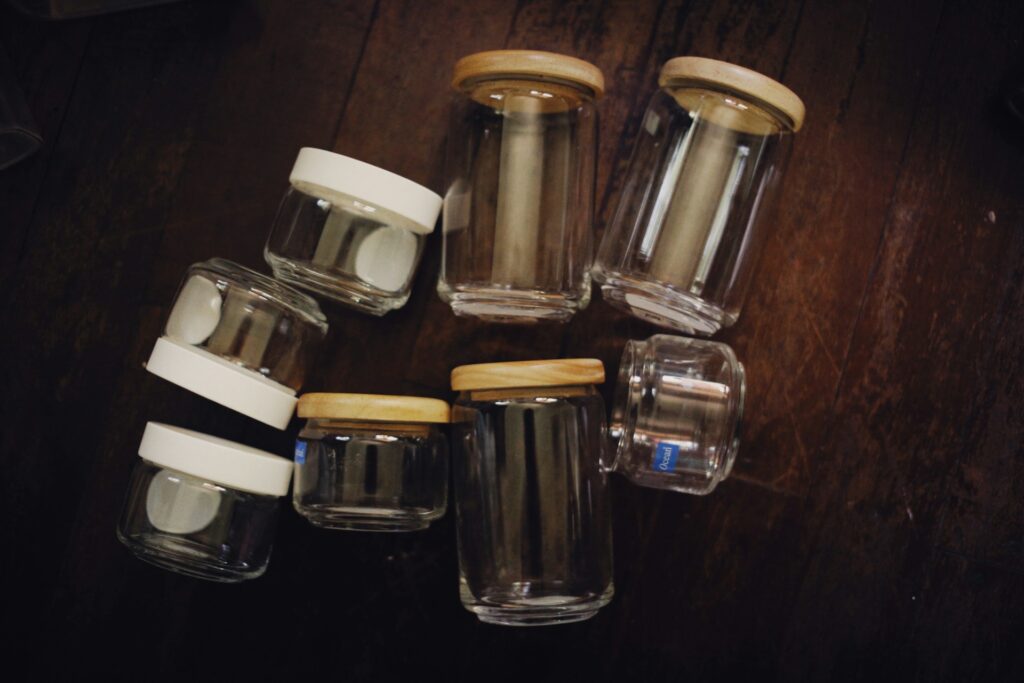
Airports tend to sell travel-size toiletries at prices that are way higher than what you’d find at regular stores, sometimes costing up to 10 times more per ml. If you forget your essentials, don’t fall for their pricey little airport versions!
Before your trip, transfer your regular-sized toiletries into smaller, reusable containers. You can pick up affordable travel bottles online or at most stores, and these will save you money long-term.
Instead of paying £5 for a tiny bottle of shampoo, you can decant your existing products into smaller containers for a fraction of the cost. Plus, you’ll have exactly what you need instead of buying expensive alternatives every time you go to the airport.
9) Watch Out for Excess Baggage Charges
Especially with budget airlines, rules around baggage can be strict. This is typically measured with a tray or a slot, and if your bag doesn’t fit in, you’ll be charged a fee. Some airlines will charge you a flat rate for going over the size or weight, and others will charge incrementally depending on how far over you’ve gone. If you’re not careful, these costs can really add up and cancel out any savings you might’ve made on a cheaper ticket.
To avoid this, check your airline’s baggage restrictions online, buy a case well within the dimensions, and weigh your case at home with a hanging scale before you set off.
We’ve also created a list of Ryanair baggage allowances, so this may be worth a visit if you don’t have a case yet.
10) Always Bring Your Boarding Pass
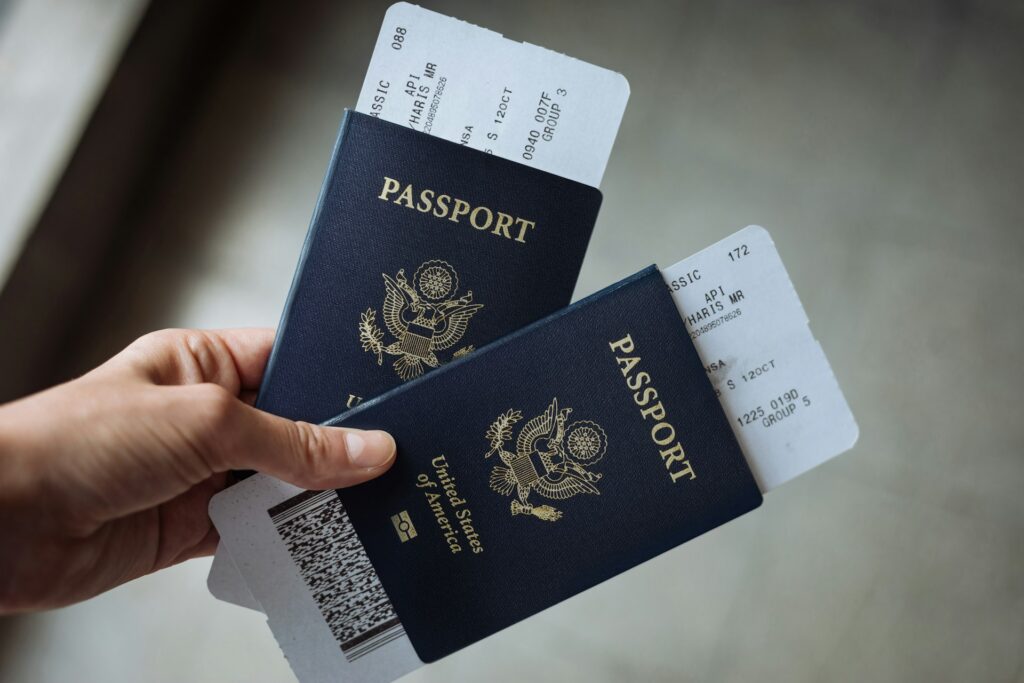
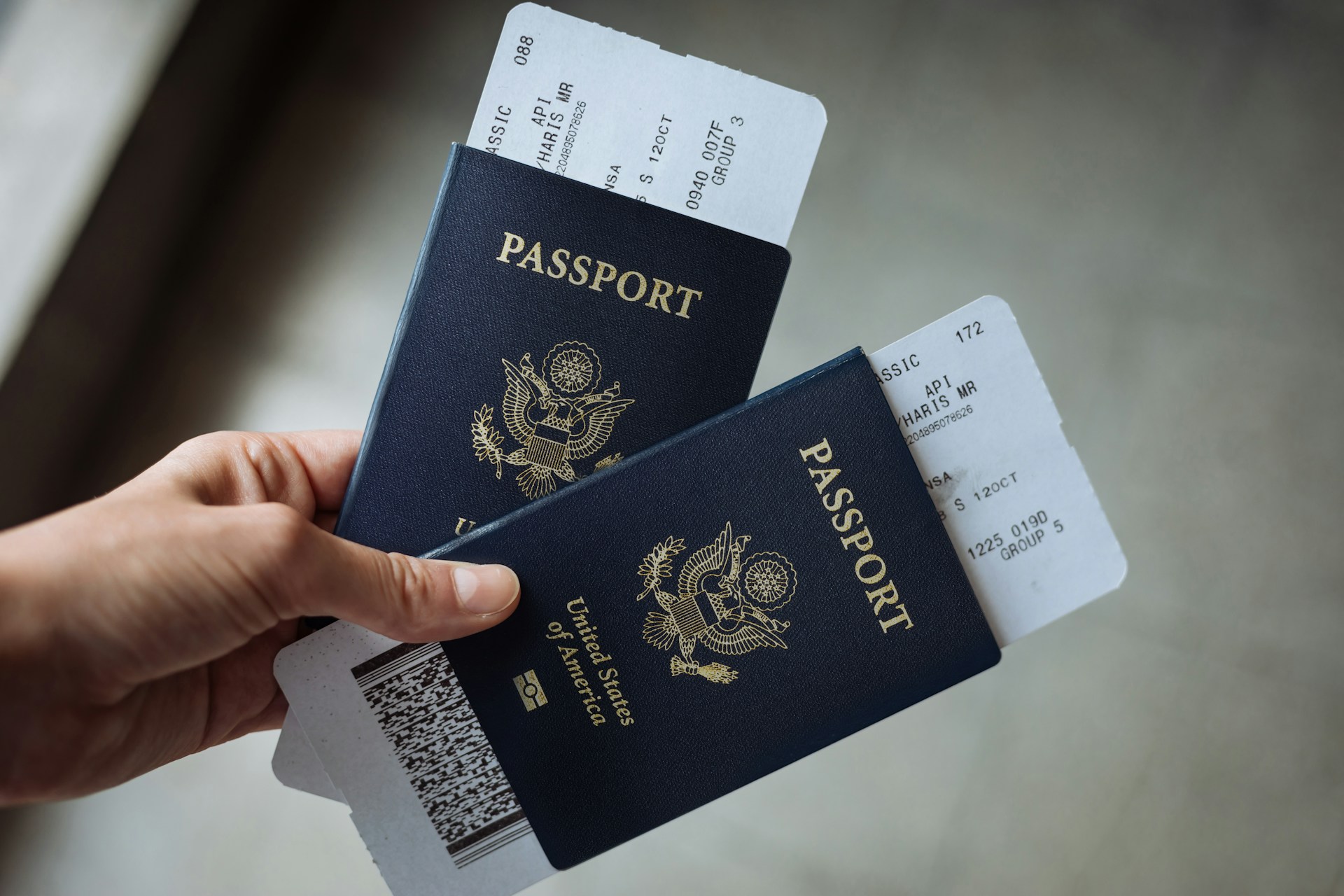
If you lose or forget your boarding pass, in most cases, your airline will be able to print one out for you if you haven’t forgotten your passport. To stop people from taking advantage, they will charge a small fee of around £15 in some cases. Still, a cost you don’t need.
With so much luggage, boarding passes can easily be buried or crumpled if not stored properly. To be safe, it’s best to keep a backup copy with you. If you’ve chosen the old-school method of printing it, it’s best to keep a backup copy on your phone, and vice versa.
And you may need your boarding pass if you’re planning to do some shopping before your flight. Check out our blog Do Airport Shops Need to See My Boarding Pass for all the details.
Airport Money Saving FAQs
Can I bring an empty water bottle through airport security?
Yes, you can bring an empty bottle through security. After clearing security, refill it at a water fountain or restaurant to avoid buying expensive bottled water.
Which UK airports offer free water refill stations?
Most major UK airports offer free water fountains, including Heathrow, Gatwick, Manchester, Stansted, and Birmingham. Locations vary by terminal, so check signage or ask airport staff.
Are you allowed to bring food through airport security?
Yes, solid food like sandwiches, snacks, and fruit is allowed in hand luggage. Liquids and semi-liquids (e.g., yoghurts, dips) must follow the 100ml liquid rule.
How can I avoid paying high airport parking fees?
Pre-book airport parking online to save up to 70%. Turn-up prices are often much higher, especially at busy airports.
Is airport currency exchange more expensive than high street rates?
Yes, airport exchange kiosks often offer worse rates and hidden fees. Ordering currency online or using a travel card usually brings better value.
Do UK airports charge to drop off or pick up passengers?
Most UK airports charge for drop-offs, and many don’t allow pickups at the terminal. Charges vary, so check your departure airport’s rules in advance.
Can I charge my phone at the airport for free?
Some airports charge for power outlets or lockers. To avoid fees or queues, bring a fully charged power bank.
What toiletries are allowed in carry-on luggage?
Travel-size toiletries under 100ml are allowed and must fit into a clear, resealable bag. Consider decanting your regular products into small reusable bottles.
How can I avoid excess baggage fees at the airport?
Check your airline’s baggage limits in advance, weigh your bags at home, and use baggage-measuring trays at the airport to avoid surprise charges.
Do I need to print my boarding pass?
Printing isn’t mandatory. Most airlines accept digital boarding passes, but having a printed backup is always wise in case of phone issues. Reprints at the airport may incur a fee.
Main image: Sarah Agnew – Unsplash