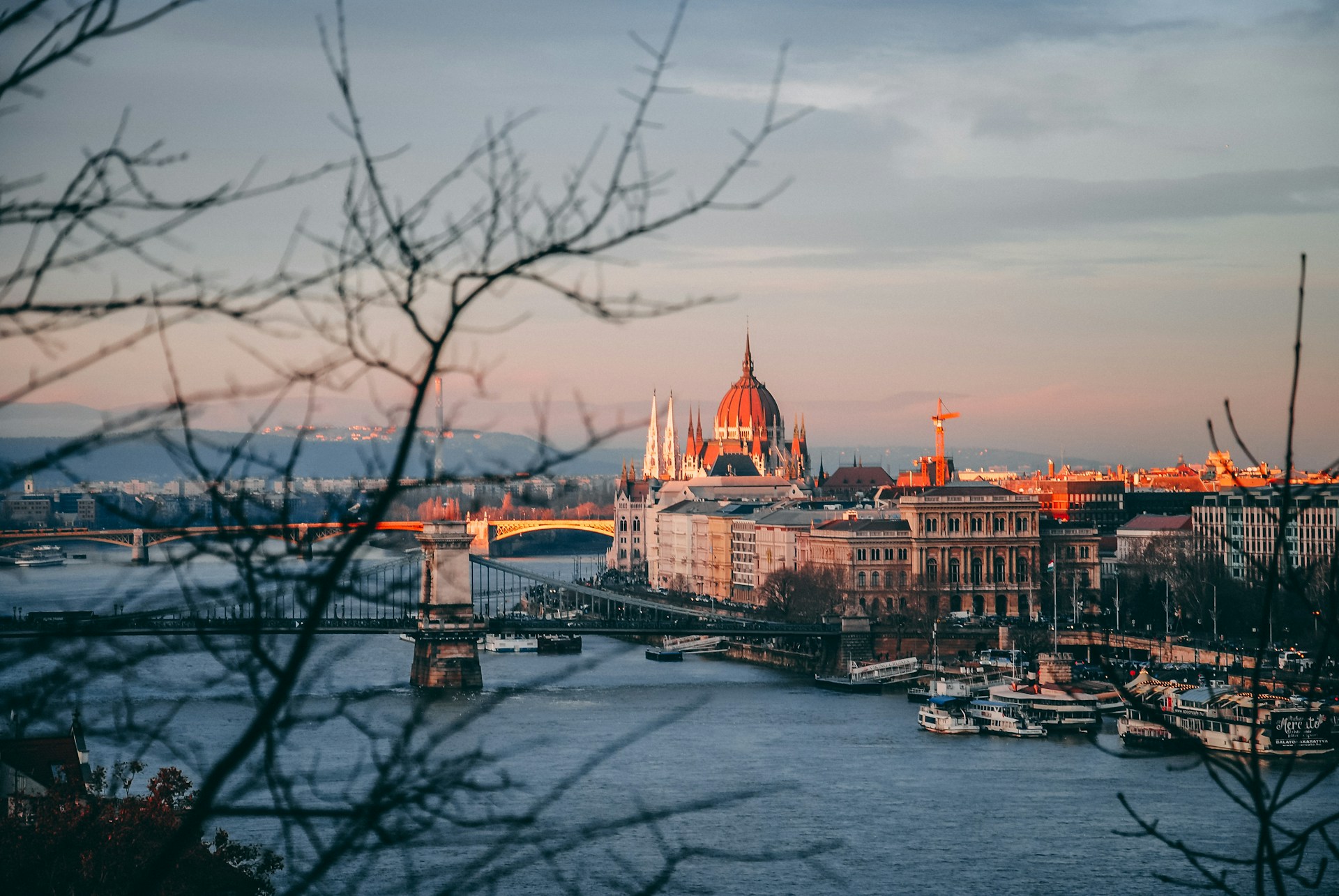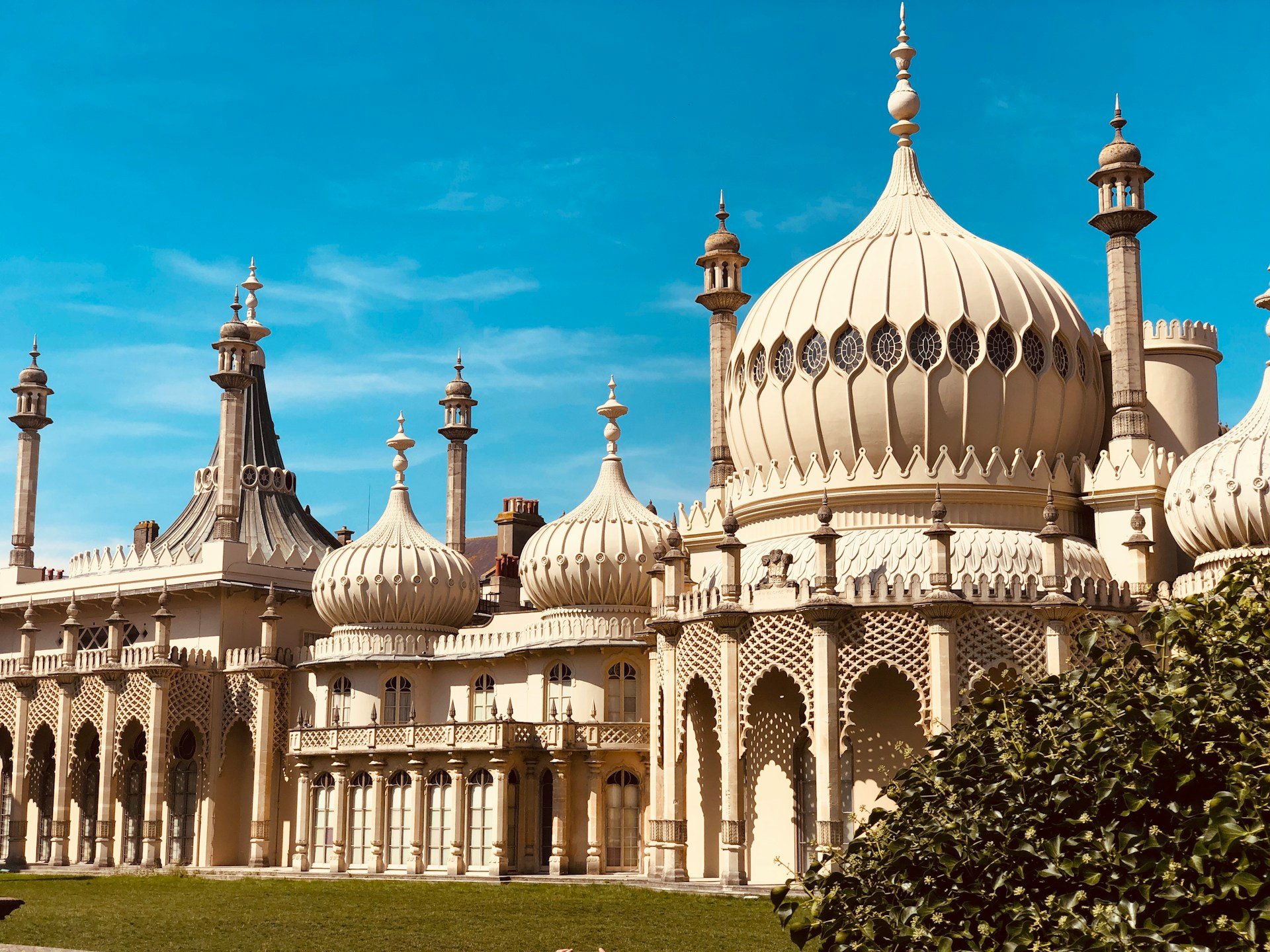
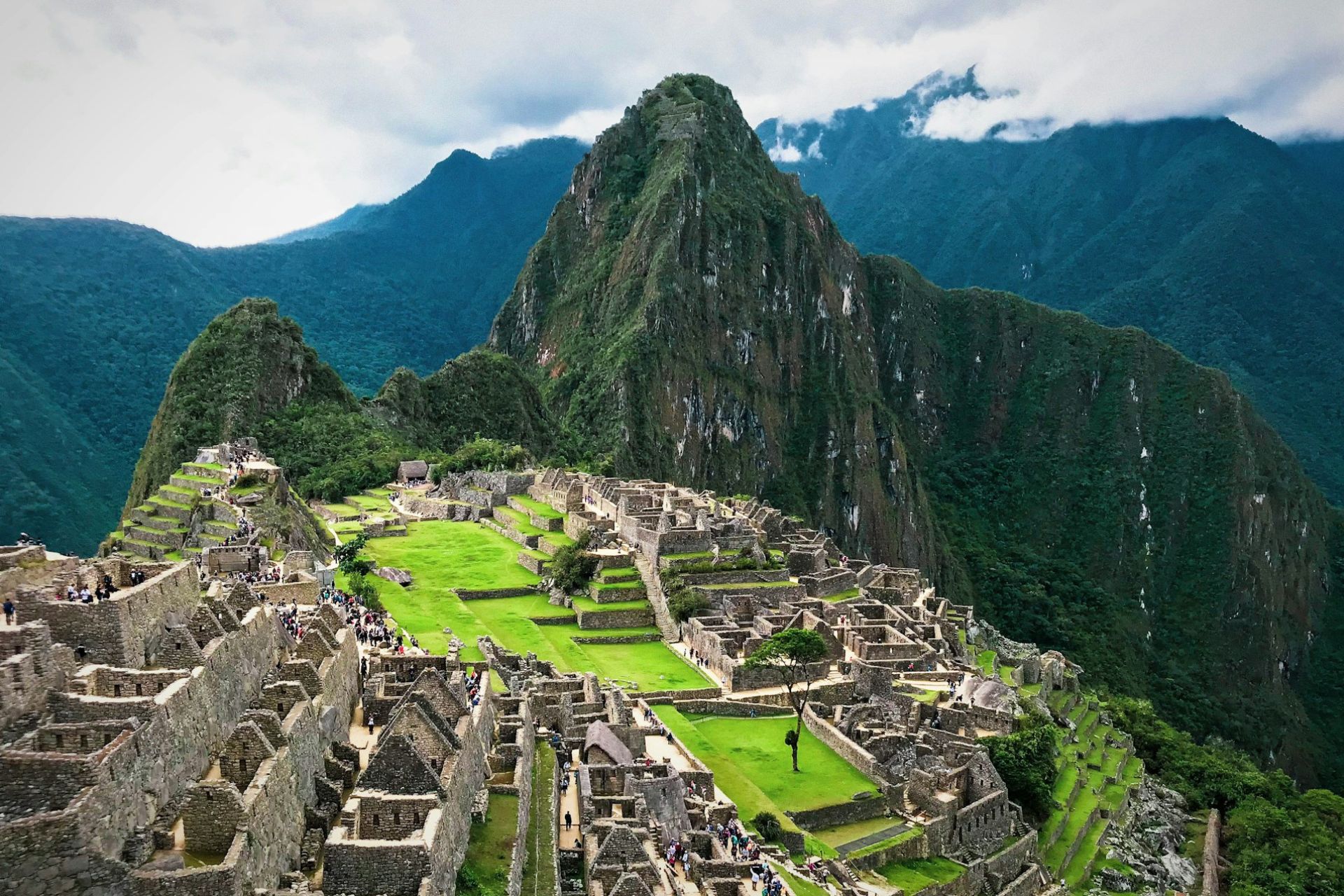
A UNESCO World Heritage Site is a place listed by UNESCO as being of notable cultural or physical significance – these sites range from national parks to ancient architecture to whole towns or cities. Sites are classified as ‘cultural’, ‘natural’ or ‘mixed’ sites.
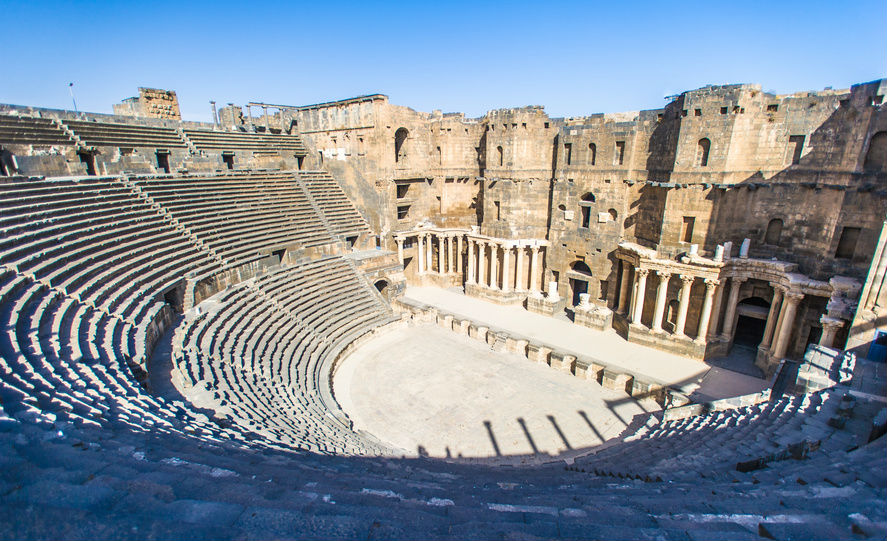
As of August 2021, there are currently 1,153 UNESCO World Heritage Sites around the world. But which country has the most? That’s the question we asked upon launching our ‘UNESCO Uncovered’ project.
Keen to find out more about the UNESCO World Heritage sites which enrich our travel experiences, we researched where to find every UNESCO World Heritage Site around the world. We analysed how many UNESCO Sites every country has, and the best countries to visit if you want to see as many UNESCO sites as possible. We also looked specifically at the countries with the most ‘cultural’ and ‘natural’ World Heritage Sites.
As part of our ‘UNESCO Uncovered’ project we have also created an interactive map, where you can view every UNESCO Site around the globe, find out more about each of these sites, and see which ones you’ve visited yourself.
Countries with the Most UNESCO World Heritage Sites
When launching our ‘UNESCO Uncovered’ research, our key goal was to find out the best countries to visit if you want to see as many UNESCO World Heritage Sites as possible.
From our research we found China and Italy to be the countries with the most UNESCO World Heritage Sites, boasting a total of 55 sites each.
Close behind is Spain, which has total of 48 UNESCO World Heritage Sites.
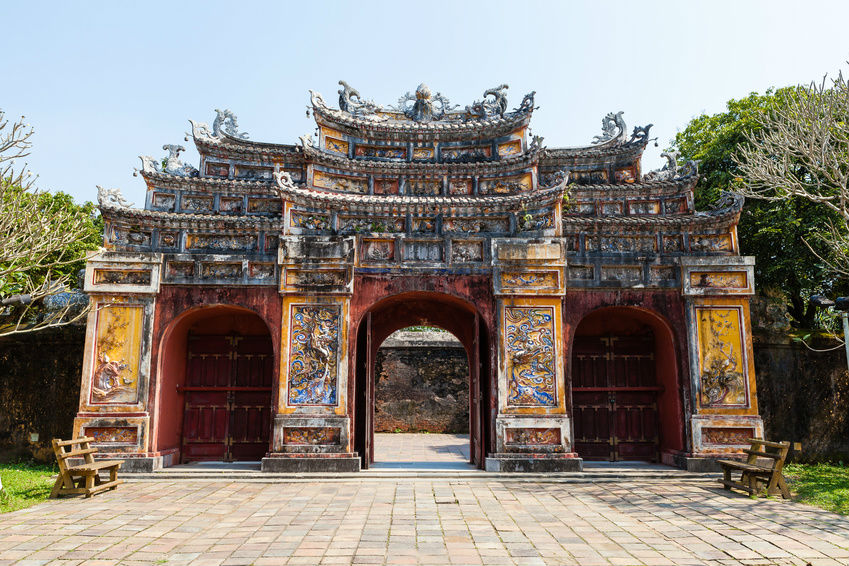
Other countries packed full of UNESCO World Heritage Sites include Germany with a total of 47 UNESCO sites, France with a total of 45 sites, and India which has 38 UNESCO Sites.
You can view the number of UNESCO World Heritage Sites every country has in the full results table below:
Country Number of UNESCO World Heritage Sites China 55 Italy 55
Spain 48 Germany 47 France 45 India 38 Mexico 35 United Kingdom 32 Russia 29 Iran 24 USA 24 Japan 23 Brazil 22 Australia 20 Canada 20 Greece 18 Turkey 18 Portugal 17 Poland 16 Sweden 15 Czech Republic 14 South Korea 14 Belgium 13 Peru 12 Switzerland 12 Argentina 11 Austria 10 Bulgaria 10 Croatia 10 Denmark 10 Netherlands 10 South Africa
10 Colombia
9 Cuba
9 Ethiopia
9 Indonesia 9 Israel 9 Morocco
9 Hungary 8 Norway 8 Romania 8 Sri Lanka 8 Tunisia 8 Vietnam 8 Algeria 7 Bolivia 7 Egypt 7 Finland 7 Kenya 7 Senegal 7 Slovakia 7 Ukraine 7 United Republic of Tanzania 7 Chile 6 Iraq 6 Oman 6 Pakistan 6 Philippines 6 Syria 6 Democratic Republic of the Congo 5 Ecuador 5 Jordan 5 Kazakhstan 5 Lebanon 5 Libya 5 Mongolia 5 Panama 5 Saudi Arabia 5 Serbia 5 Thailand 5 Uzbekistan 5 Zimbabwe 5 Albania 4 Belarus 4 Costa Rica 4 Côte d’Ivoire 4 Lithuania 4 Malaysia 4 Mali 4 Montenegro 4 Nepal 4 Slovenia 4 Yemen 4 Armenia 3 Azerbaijan 3 Bahrain 3 Bangladesh 3 Bosnia and Herzegovina 3 Burkina Faso 3 Cambodia 3 Cyprus 3 Georgia 3 Guatemala 3 Iceland 3 Kyrgyzstan 3 Lao 3 Madagascar 3 Malta 3 New Zealand 3 Niger 3 Palestine 3 Sudan 3 Turkmenistan 3 Uganda 3 Venezuela 3 Afghanistan 2 Benin 2 Botswana 2 Cameroon 2 Central African Republic 2 Chad 2 North Korea 2 Estonia 2 The Gambia 2 Ghana 2 Holy See 2 Honduras 2 Ireland 2 Latvia 2 Malawi 2 Mauritania 2 Mauritius 2 Myanmar 2 Namibia 2 Nicaragua 2 Nigeria 2 Seychelles 2 Suriname 2 Tajikistan 2 Uruguay 2 Andorra 1 Angola 1 Antigua and Barbuda 1 Barbados 1 Belize 1 Cabo Verde 1 Congo 1 Dominica 1 Dominican Republic 1 El Salvador 1 Eritrea 1 Fiji 1 Gabon 1 Guinea 1 Haiti 1 Jamaica 1 Jerusalem 1 Kiribati 1 Lesotho 1 Luxembourg 1 Marshall Islands 1 Micronesia 1 Mozambique 1 North Macedonia 1 Palau 1 Papua New Guinea 1 Paraguay 1 Qatar 1 Republic of Moldova 1 Saint Kitts and Nevis 1 Saint Lucia 1 San Marino 1 Singapore 1 Solomon Islands 1 Togo 1 United Arab Emirates 1 Vanuatu 1 Zambia 1
We also had a closer look at which countries have the most cultural UNESCO Sites and which countries have the most natural UNESCO Sites. Cultural sites include landmarks such as castles, museums and churches while natural sites include natural beauty such as national parks, coastlines and islands.
Of course some travellers are more interested in cultural sites while others are more interested in natural sites, and so we looked at these categories individually to help travellers find the countries with the most UNESCO Sites that match their interests.

If you’re a culture vulture you’ll want to head to Italy, which is the country with the most cultural UNESCO Sites, boasting a grand total of 50 cultural UNESCO Sites. Also ranking highly for cultural sites are Germany and Spain, which both have a total of 44 and 42 cultural sites respectively, followed by France which has 39 cultural sites.
Those who are most excited by exploring the world’s natural beauty should head to China, Australia and the USA which all came in top for natural sites. Also at the top end of the scale for natural UNESCO Sites are Russia and Canada, which have 11 and 10 natural sites respectively.
You can view the highlights of the results of our ‘UNESCO Uncovered’ research in the infographic below:

Methodology
To conduct our research we used official data from UNESCO and the World Heritage Convention, listing every UNESCO World Heritage Site around the world. We then calculated how many sites were in each country and ranked these from highest to lowest. Using these rankings, we created a coloured scale which we used to shade the map.
The official data we gathered from UNESCO and the World Heritage Convention listed which sites were cultural and which sites were natural. We looked at each of these categories individually and analysed where each of these sites were located. We then calculated which countries had the most cultural sites and which countries had the most natural sites and ranked these accordingly.
Main image: Eddie Kiszka – Unsplash